Contents
- Why Internet Matters on the Road
- Four Ways to Stay Connected Along the Route
- 1. Roaming on your existing line
- 2. A local SIM in each country
- 3. An eSIM that covers the route (recommended)
- 4. In-car WiFi / a portable hotspot
- Connectivity by Country (in Brief)
- How Much Data Do You Need?
- Why an eSIM Is the Most Practical Choice
- Connecting Everyone in the Car: Hotspot Tips
- Practical Tips
- Frequently Asked Questions
- Is roaming or an eSIM cheaper?
- Will a single eSIM work in both Serbia and Türkiye?
- How do I connect the other devices in the car?
- Does navigation work without internet?
- How big a plan should I buy?
- Summary
Why Internet Matters on the Road
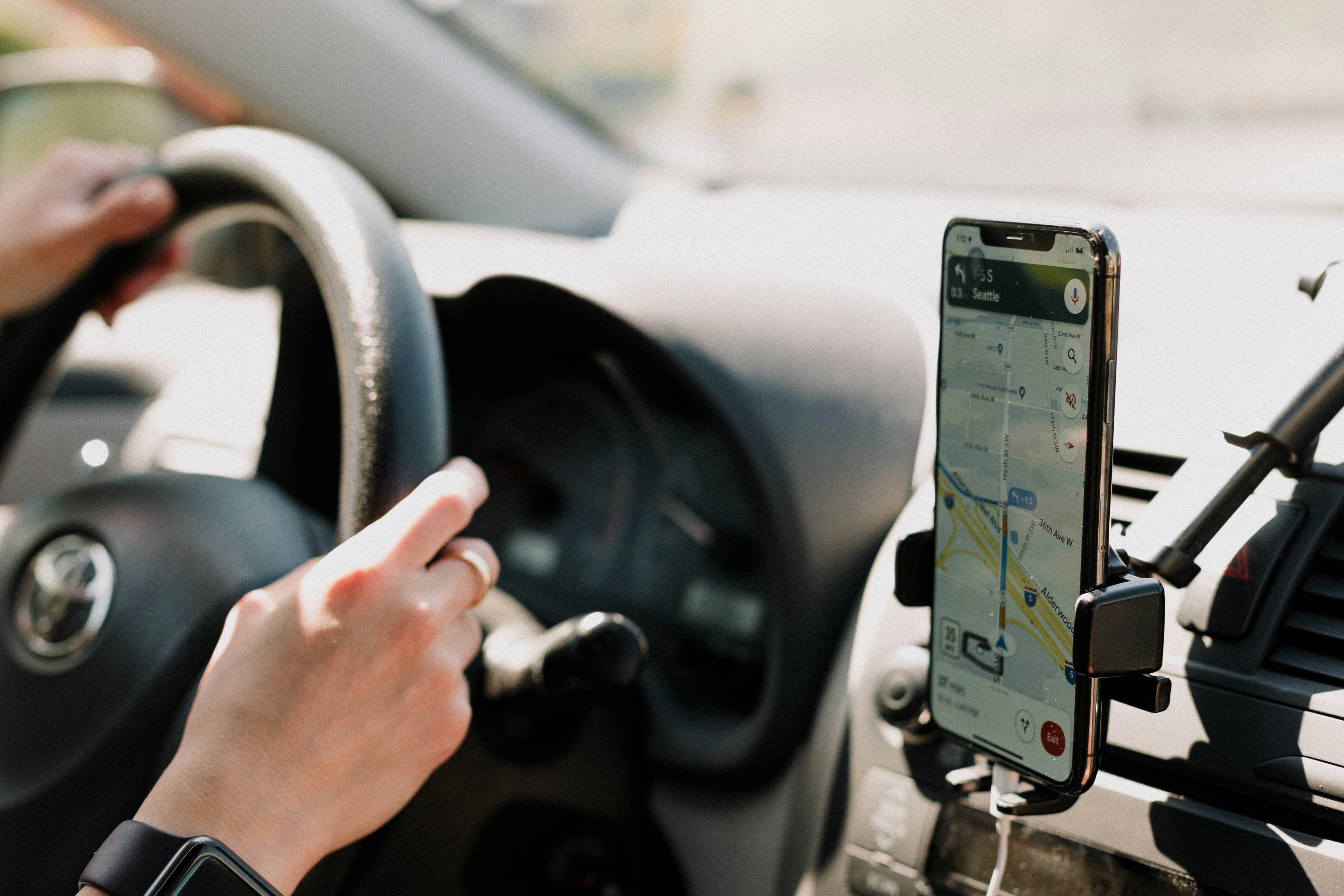
The Sıla Yolu is a journey of several days, and internet is no longer a luxury — it’s a matter of safety and comfort. Live navigation shows you the fastest route, current traffic and border queues; you stay in touch with the people waiting for you; you can call for help in an emergency; and you instantly find rest stops and fuel. With children on board, in-car entertainment makes a connection priceless.
The catch is that part of the route is inside the EU and part is outside it. So assuming “my phone will just work” can end in an unexpected roaming bill. Below we compare the ways to stay connected affordably the whole way.
Four Ways to Stay Connected Along the Route
1. Roaming on your existing line
Your European SIM works “like at home” at no extra cost inside the EU/Schengen (Germany, Austria, Hungary, Bulgaria). But Serbia and Türkiye are outside the EU; there, roaming charges kick in and your bill can climb fast. So roaming is only economical on part of the route.
2. A local SIM in each country
Buying a local SIM in each country is cheap in theory but awkward in practice: hunting for a shop, registering and swapping cards at every border isn’t realistic on a multi-day drive — and each one covers only a single country.
3. An eSIM that covers the route (recommended)
An eSIM is a digital SIM that installs into your phone as software. With a single eSIM that covers the route you stay connected across every border, including Serbia and Türkiye, without swapping lines — no physical card to wait for, set up in minutes. See how to buy a Sıla Yolu eSIM for the steps, and which countries you cross on the Sıla Yolu for the route.
4. In-car WiFi / a portable hotspot
Using your phone’s personal hotspot or a mobile router (pocket WiFi), you can put everyone in the car online through a single connection. For most travellers, an eSIM-enabled phone does this without a separate device.
Connectivity by Country (in Brief)
In short, the route splits in two: inside the EU/Schengen (Germany, Austria, Hungary, Bulgaria) your European SIM roams for free; outside the EU (Serbia and Türkiye) roaming is expensive and a single eSIM is the most sensible choice. For the detail on borders and crossings, see our border-by-border guide.
How Much Data Do You Need?
Your needs depend on your habits; you can plan roughly with these estimates:
- Navigation: about 5 MB per hour (much less with offline maps)
- Messaging and social media: a few hundred MB per day
- Music streaming: roughly 60–100 MB per hour
- Video and kids’ content: the heaviest use — it drains fast on a long drive
A few GB is enough for most people on a multi-day trip; but if several people are in the car or you’ll watch video, choose a larger plan. Size the plan to your trip length and the number of people.
Why an eSIM Is the Most Practical Choice
- One plan, the whole route: including Serbia and Türkiye, with no line-swapping at borders.
- No surprise bill: you know the plan price up front.
- Keep your own number: use the eSIM as a secondary line and keep your number for WhatsApp and calls.
- Instant setup: no shipping, no store — just a QR code, ready in minutes.
Connecting Everyone in the Car: Hotspot Tips
- Place the eSIM phone in a fixed spot and turn on the hotspot; other devices join with one password.
- A hotspot drains the battery quickly; keep the phone on the car charger.
- If you’ll connect many devices, pick a plan with a larger allowance.
- Pre-download content to tablets for the back seat and play it offline; it saves data.
Practical Tips
- Download the route map offline so you can find your way even where signal is weak.
- Turn off auto-updates and cloud backups while travelling to avoid wasted data.
- Bring a power bank and a car charging adapter.
- Set up and test your eSIM before you leave, while you still have internet.
- Save important numbers, bookings and documents so they’re available offline.
Frequently Asked Questions
Is roaming or an eSIM cheaper?
Inside the EU your European SIM already roams for free; the difference shows up in Serbia and Türkiye. Because roaming can be expensive in those two countries, an eSIM that covers the route is usually more predictable and affordable.
Will a single eSIM work in both Serbia and Türkiye?
Yes, with an eSIM designed to cover the route. Check the countries the plan includes in its description before you buy.
How do I connect the other devices in the car?
Turn on your eSIM phone’s personal hotspot and connect tablets, laptops and other phones to the same connection.
Does navigation work without internet?
Map apps can guide you offline if you downloaded the area in advance. A connection still helps for live traffic and border queues.
How big a plan should I buy?
Choose by the number of travel days and people in the car. A few GB is often enough for navigation and messaging, while watching video calls for a larger allowance.
Summary
The most practical way to stay connected on the Sıla Yolu is a single eSIM that covers the whole route: you stay online both inside and outside the EU (including Serbia and Türkiye) without swapping lines at borders. Set up and test your eSIM before you leave, download your offline maps, and size your plan to your trip — so everything from navigation to staying in touch works without interruption all the way.